
What is a tattoo, exactly? How does it work?
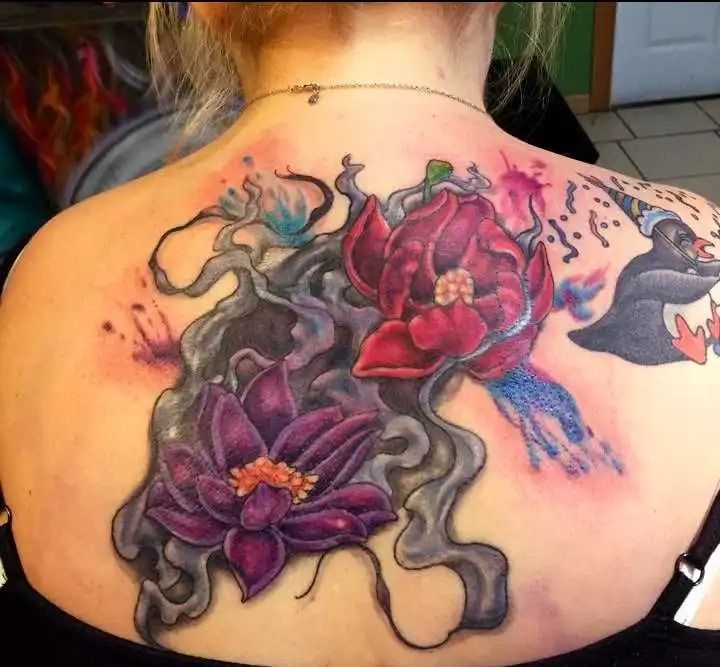 Tattooing is an ancient practice that works with your skin's natural healing process. When skin is broken, your body closes over the break, even if foreign particles are present. This is similar to when you accidentally jab yourself with a pencil—the graphite can remain visible under your skin indefinitely. During tattooing, the artist uses small, sharp needles to deposit ink into the top layer of your skin. As your skin heals, it covers the ink, which stays beneath the surface. What you see on a healed tattoo is actually a layer of color under the skin. This is why tattoos are difficult to remove and why selecting your design is crucial. Removal requires cutting or burning away the skin layers containing the ink, resulting in scar tissue replacement.
Is tattooing safe?
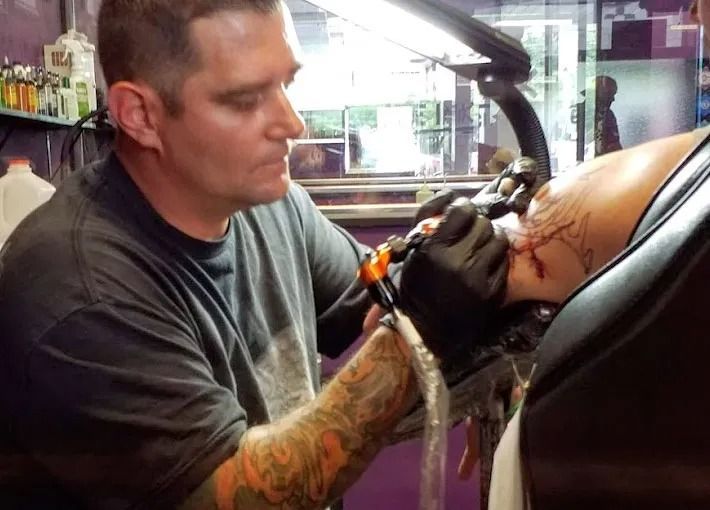 At Divine Image Ink, your physical safety and well-being are our artists' highest priorities. We maintain a clean tattooing station with regularly disinfected chairs. The area of your body receiving the tattoo is isolated from the chair using plastic wrap. Our work surfaces are covered with the same material used in dental trays. All needles are medically sterilized and opened in front of you. Our artists wear surgical gloves, changing them regularly to protect you from bacteria. We use nontoxic inks, and allergic reactions are extremely uncommon. While no procedure involving broken skin is completely risk-free, we take every reasonable precaution to prevent infection or adverse reactions. Please share any concerns with your artist before starting your tattoo.
Does tattooing hurt?
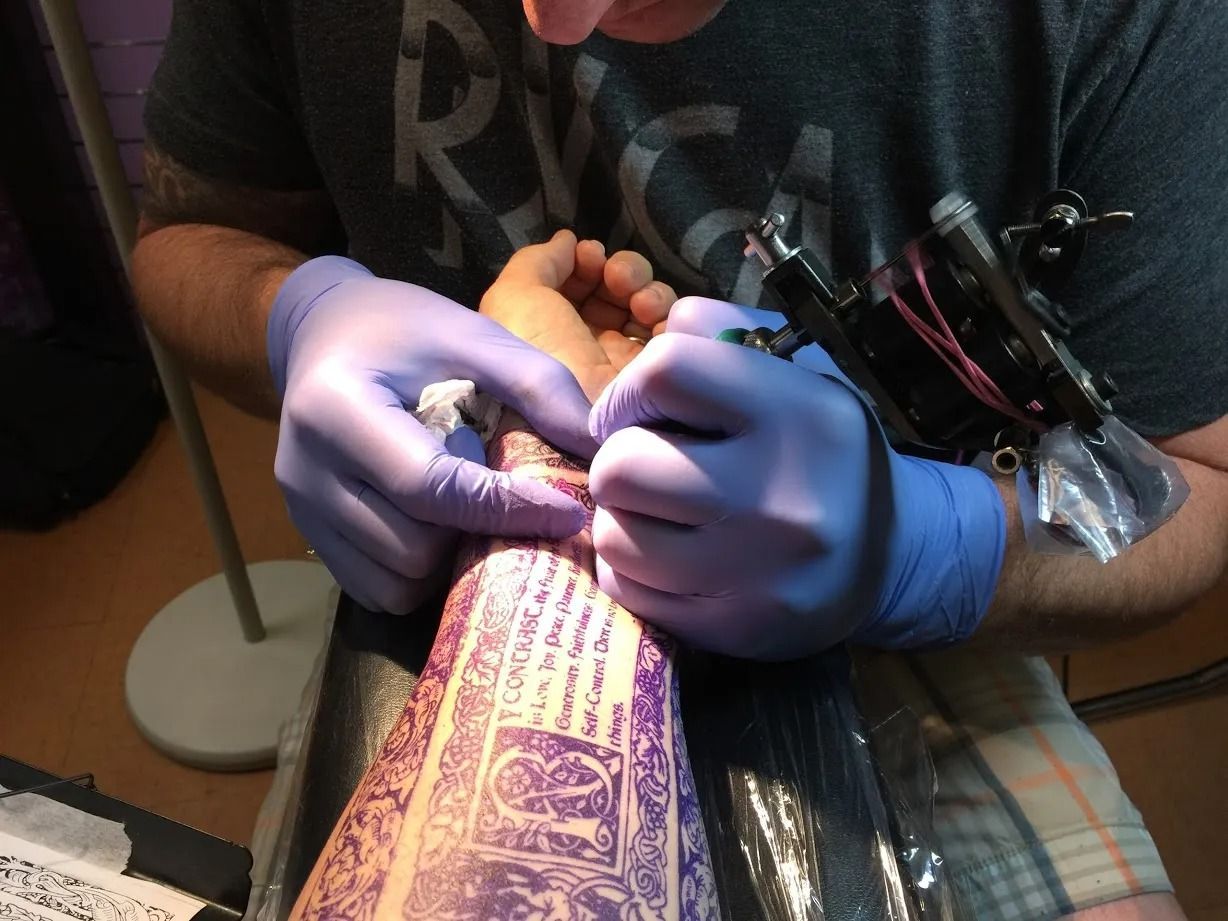 Yes, there's some discomfort involved. A tattoo is created by placing a small amount of ink into the top layer of your skin. The needles must penetrate the skin, though bleeding is typically minimal. Sensitive body areas, such as the inner arm, may feel more uncomfortable than less sensitive areas like the outer arm. Most clients find the discomfort manageable, and your artist will provide breaks as needed.
How do I take care of my new tattoo?
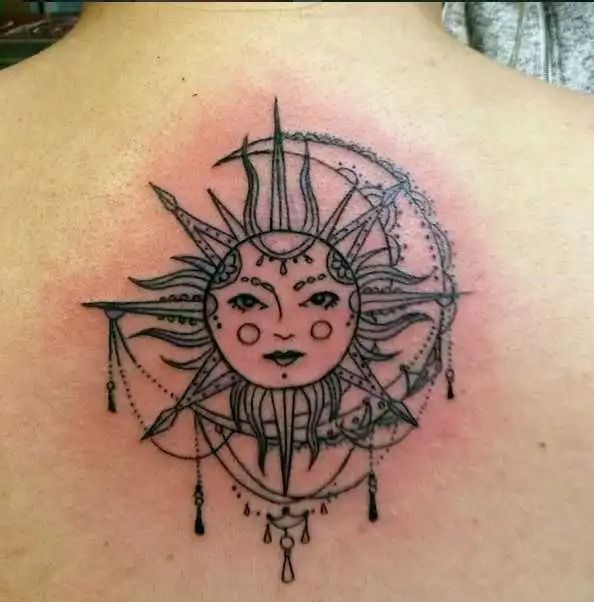 Aftercare is crucial to the tattooing process, and your artist will provide detailed instructions at the end of your session. Generally, your tattoo may appear slightly bumpy, red, and somewhat swollen initially. This is normal, temporary, and indicates healing has begun. Your artist will apply a protective dressing for you to wear home. Leave this wrapping on for about an hour, then remove it. Keep your skin clean without letting it dry out. Wash the tattoo twice daily with mild, fragrance-free soap, pat it dry with a clean towel, and apply a thin layer of first-aid ointment (avoid antibiotic ointment). After the first few days, continue moisturizing the area twice daily with fragrance-free body lotion. Protect your new tattoo from abrasions. If a scab develops, don't break the skin or remove it, as this can pull out ink and create gaps in your artwork.
How long will it take for my tattoo to heal?
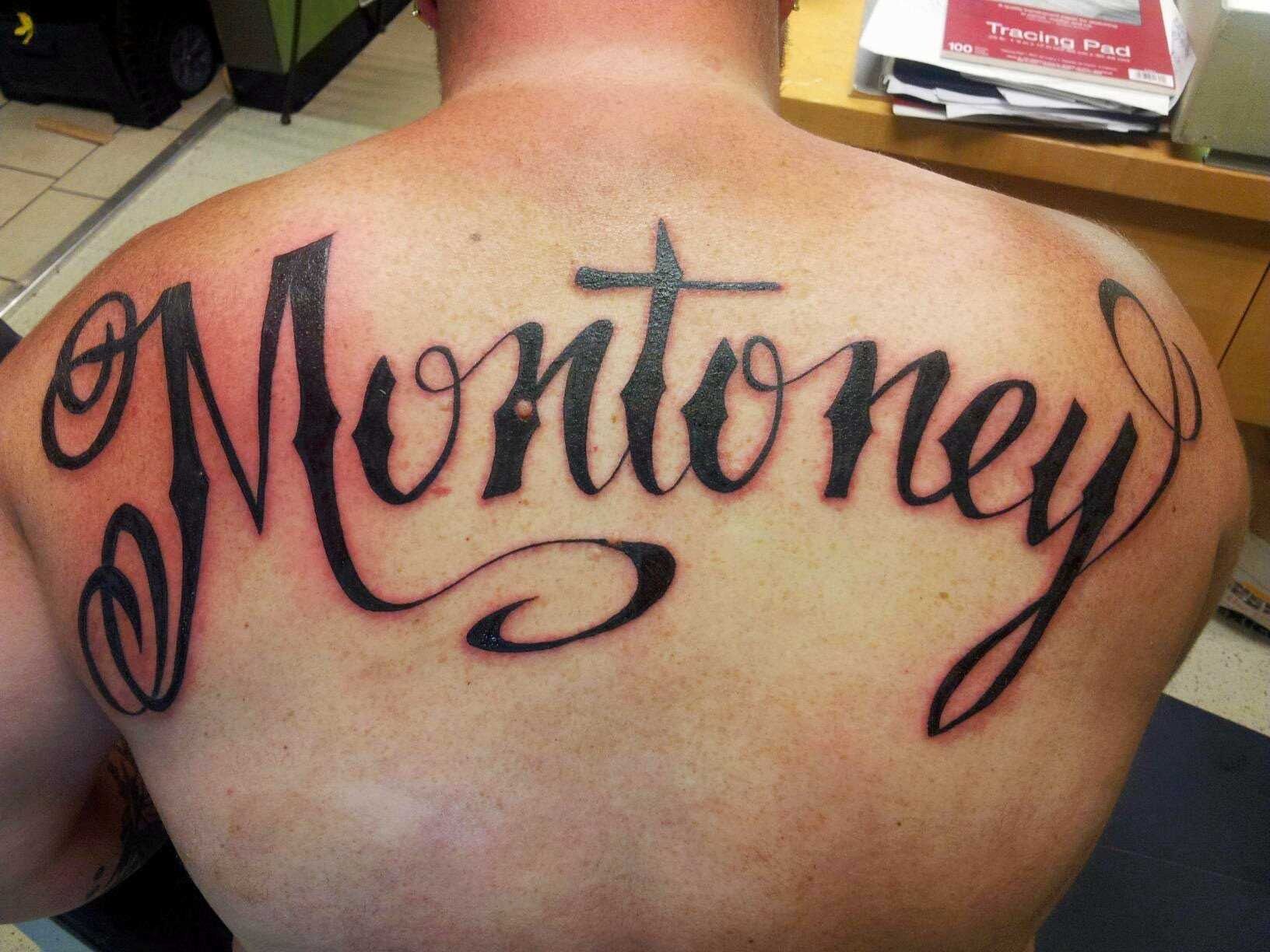 Healing time varies by individual, and the size and density of the tattoo also affect the process. If you're in good physical health with proper nutrition, a tattoo can heal in as little as a few days, though some take longer. Initially, your fresh tattoo may feel like a sunburn, particularly when bathing. It's essential to follow your artist's aftercare instructions carefully. For the first day or two, clean your new tattoo with antibacterial soap and warm water, then cover it with basic first-aid ointment. As healing progresses, the top layer of skin will begin to peel, similar to a sunburn, signaling that healing is nearly complete. Even with rapid healing, continue moisturizing your skin to ensure the new skin over the tattoo ink heals smoothly and completely.
What if I'm allergic to my tattoo?
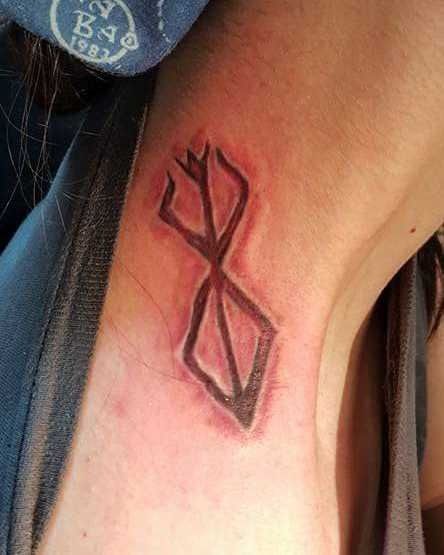 Allergic reactions to tattoo inks are extremely rare but can occur. Certain red-range pigments are more likely to cause reactions than other colors. As with any skin chemicals like makeup or hair dye, you can conduct a test in a small, hidden area of your body before your tattoo. This may be advisable if your skin is particularly sensitive to such products.
Will my tattoo fade? Why, and what can I do about it?
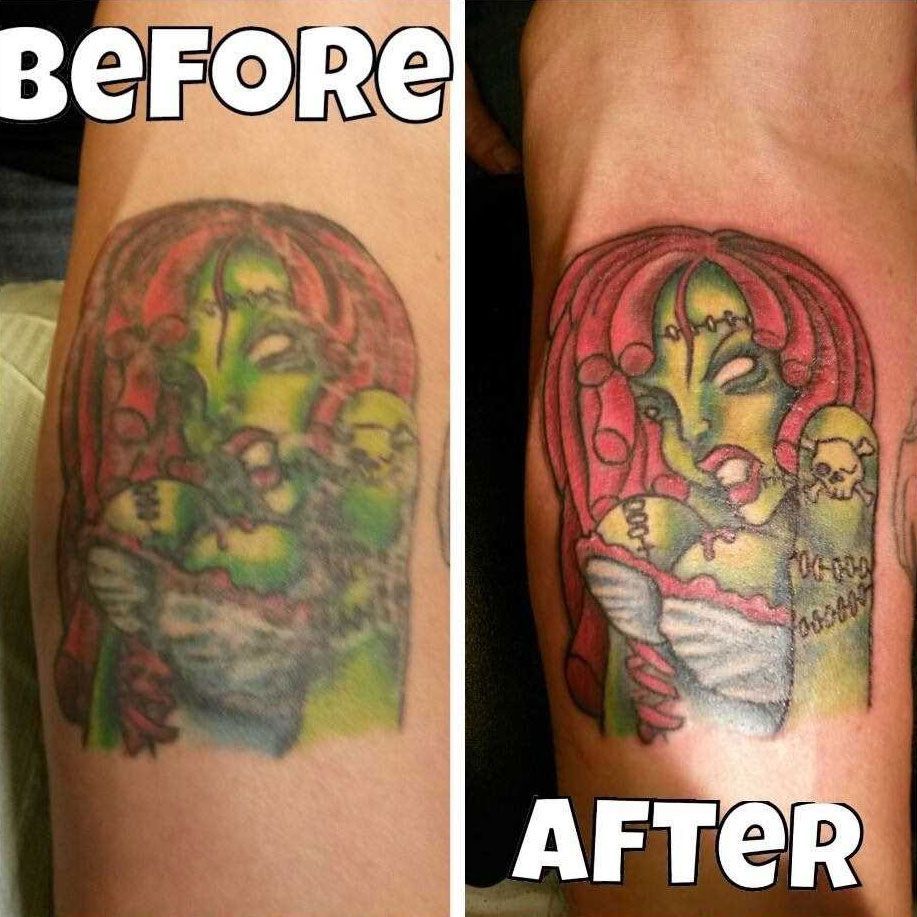 Tattoos do fade over time. First, tattoos fade due to the body's natural cell renewal process. The ink residue trapped in your skin when your tattoo was created is gradually replaced by new cells, so some fading actually indicates healthy skin. Tattoos also fade from light exposure. All colors fade to varying degrees when exposed to bright sunlight over time, much like priceless oil paintings must be protected from bright light in museums. To keep colors vibrant and darks rich, we use the highest quality, most colorfast pigments available at Divine Image Ink, giving you the best starting point. After that, proper care is essential. Always follow your tattoo artist's instructions to ensure smooth, complete healing. Good aftercare is the best way to ensure your art provides lifetime satisfaction. After healing, always use high-protection sunscreen when your skin is exposed to sunlight. This will keep your tattoos clear and strong while helping prevent skin cancer, allowing you to enjoy your body art for years to come. Protect your skin from UV radiation.
Is piercing safe?
We take every precaution to ensure your safety during piercing procedures. Our piercing studio is a medically sterile environment, certified by the Cuyahoga County Board of Health. All our piercing supplies are medical-grade stainless steel, single-use, disposable, and sterile, and your piercer is an expert professional. You will be asked to sign a waiver acknowledging the risks involved in puncturing your body and inserting foreign objects. Piercing is a serious decision. Please ask your piercer all questions before signing the waiver.What kinds of piercings do you do?
We perform a full range of facial, body, and genital piercings, with two exceptions: we don't perform dermal piercings or horizontal tongue piercings.How long does it take piercings to heal?
Healing time depends on the thickness and type of tissue being pierced. Earlobe piercings, the simplest type, involve at most a quarter inch of soft tissue and heal within four to eight weeks. Piercing cartilage or erectile tissue, such as nipples, takes much longer. A range of healing times by piercing type is available on our piercing aftercare page. All piercings require regular, careful cleaning and care to prevent infection at the pierced site and rejection of the jewelry. Follow our aftercare instructions and your piercer's guidance carefully for the best piercing results.
Announcement Banner
Optional CTA (not hyoperlinked)
Announcement Banner - Optional CTA (hyperlinked)





Learn more about
Divine Image Ink Tattoo and Piercing Studio
Located in Parma Heights, OH. Divine Image Ink Tattoo and Piercing Studio specializes in tattoo services and piercing services. Free tattoo touch-ups within 6 months. All vegan tattoo inks. Walk-in appointments available. Call us today.
BUSINESS HOURS
- Monday
- Closed
- Tue - Sat
- -
- Sunday
- Closed
Privacy Policy
| Do Not Share My Information
| Conditions of Use
| Notice and Take Down Policy
| Website Accessibility Policy
© 2026
The content on this website is owned by us and our licensors. Do not copy any content (including images) without our consent.